Benefit from the synergy of the stores by browsing from one to the other and access a wide choice of complementary scientific products and equipment
Teaching materialJeulin specializes in teaching materials for education (Physics, Chemistry, Life and Earth Sciences) and Technology in primary, secondary and higher education.
Laboratory equipment
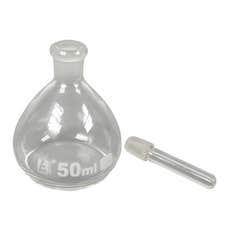
Teachers, companies or individuals, choosing Le Laborantin is to trust the specialist in laboratory equipment, structured around a team of professionals in the sector.
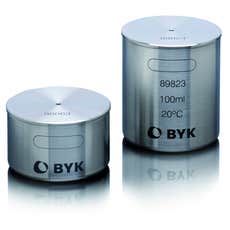
Measuring equipmentFrench specialist in test and measurement instruments. We select our products from the biggest brands in the sector to offer you and guarantee the best of measurement.
Optical material
Specialized in the design, manufacture and supply of optical teaching materials for Higher Education, Ovio Instruments has been pursuing its primary vocation since 2007.